Yandex Practicum. Identity
Contrext
Yandex Praktikum approached us during a comprehensive update of their website and product. The company had already developed various corporate style tools, but their application remained unstructured. They lacked a unified concept to integrate design elements into a cohesive system that would work effectively across their website and product. Our task involved not just organizing elements but developing a central metaphor to guide all future design solutions.
Infinite puzzle
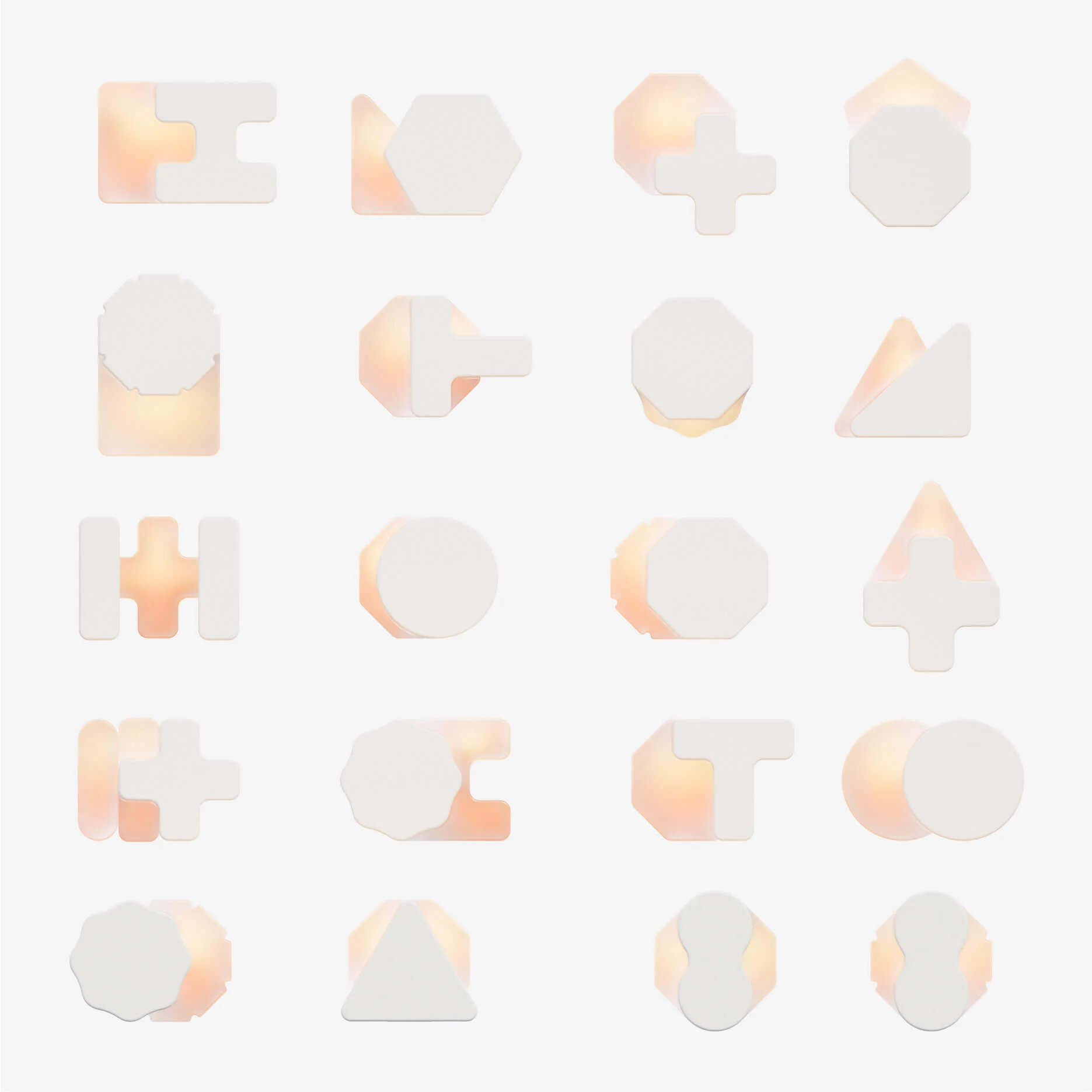
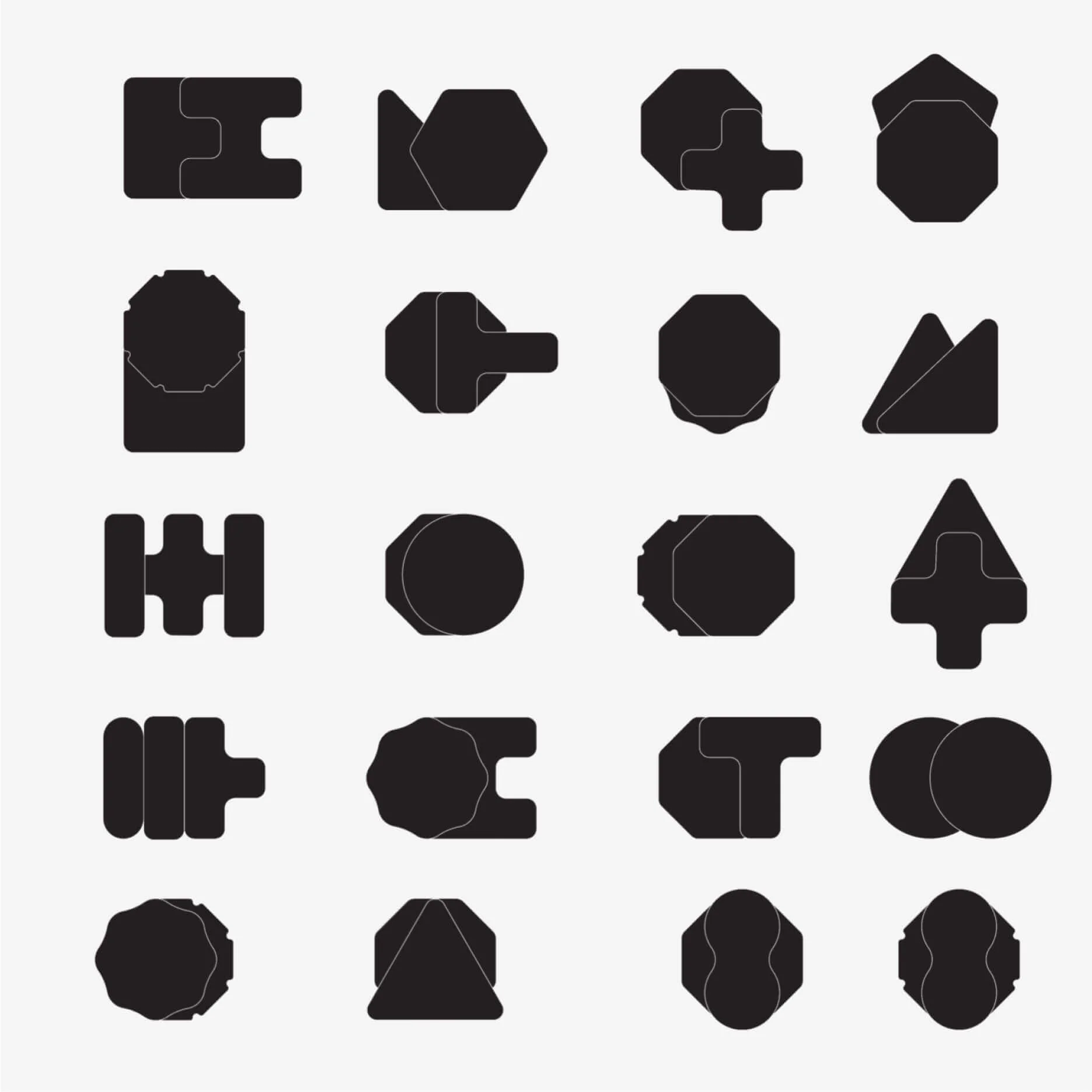
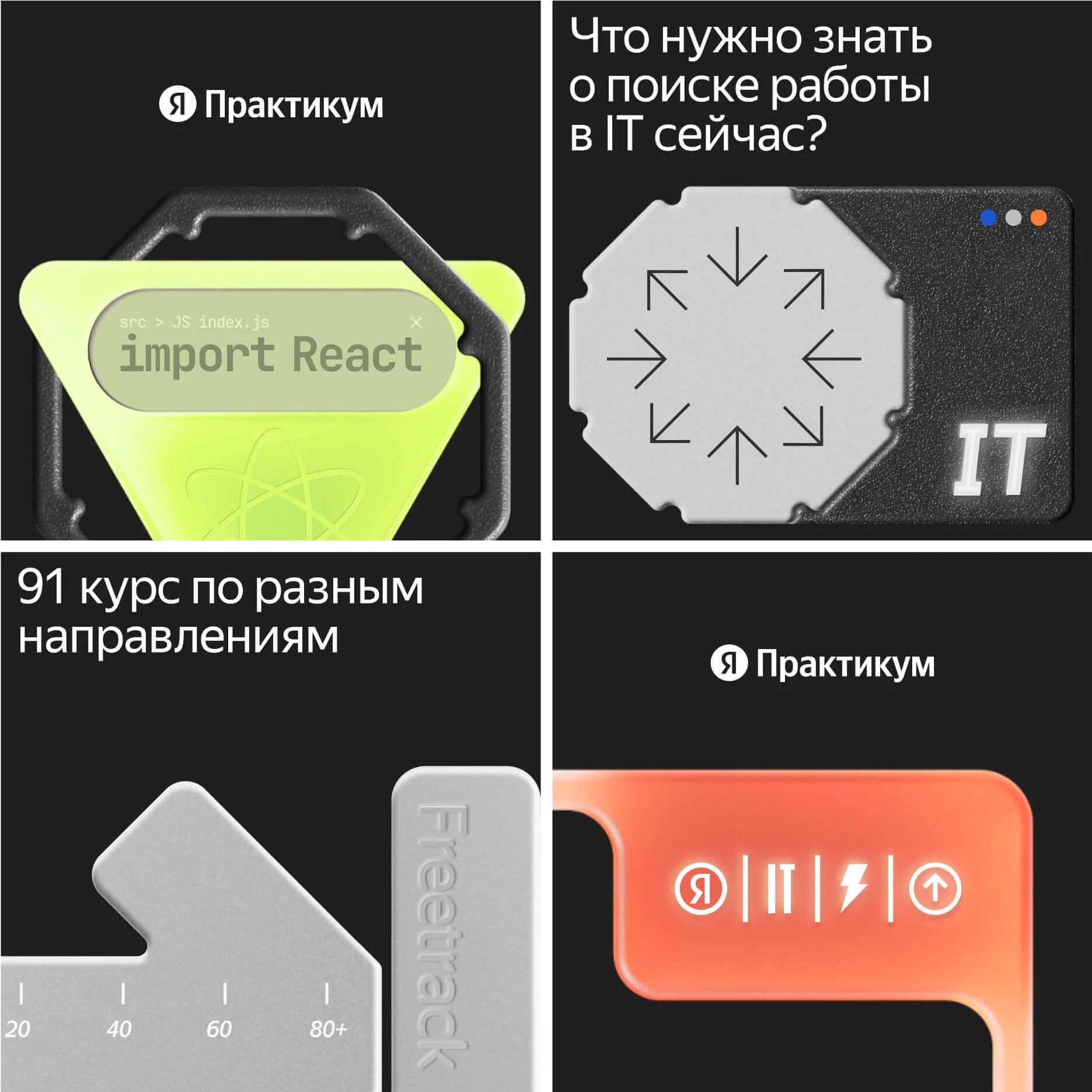
Our new visual approach centers on the idea of a constructor—a set of basic primitive shapes: circles, triangles, and squares. These shapes transform, combine, and evolve in complexity, reflecting the very essence of education—acquiring new knowledge and integrating it with existing understanding.
Education is an endless puzzle where each new piece complements the overall picture, but the process never concludes. We embedded this concept into the style's core mechanics. When viewing graphic elements, users naturally engage in constructing and discovering connections.

Endless variability
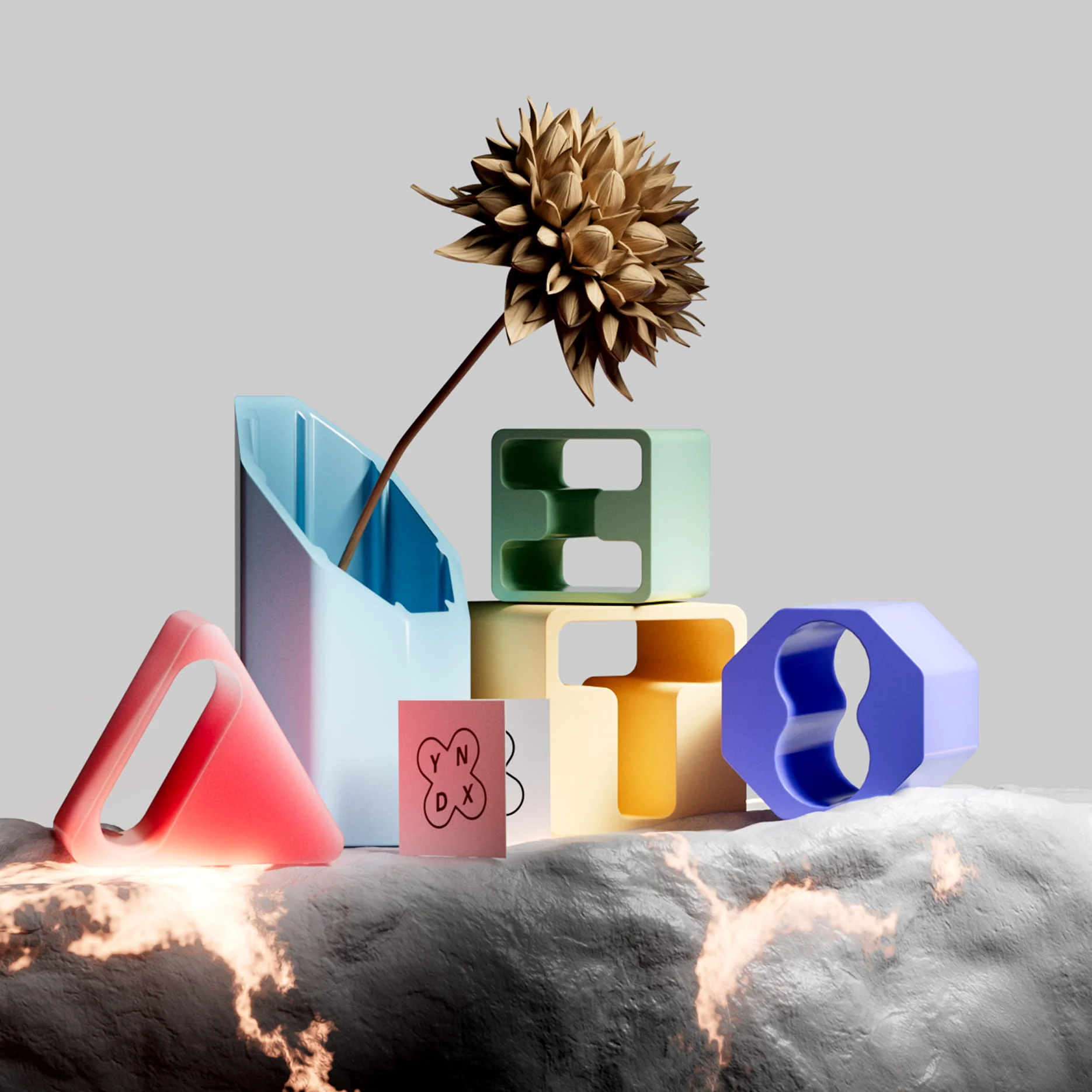
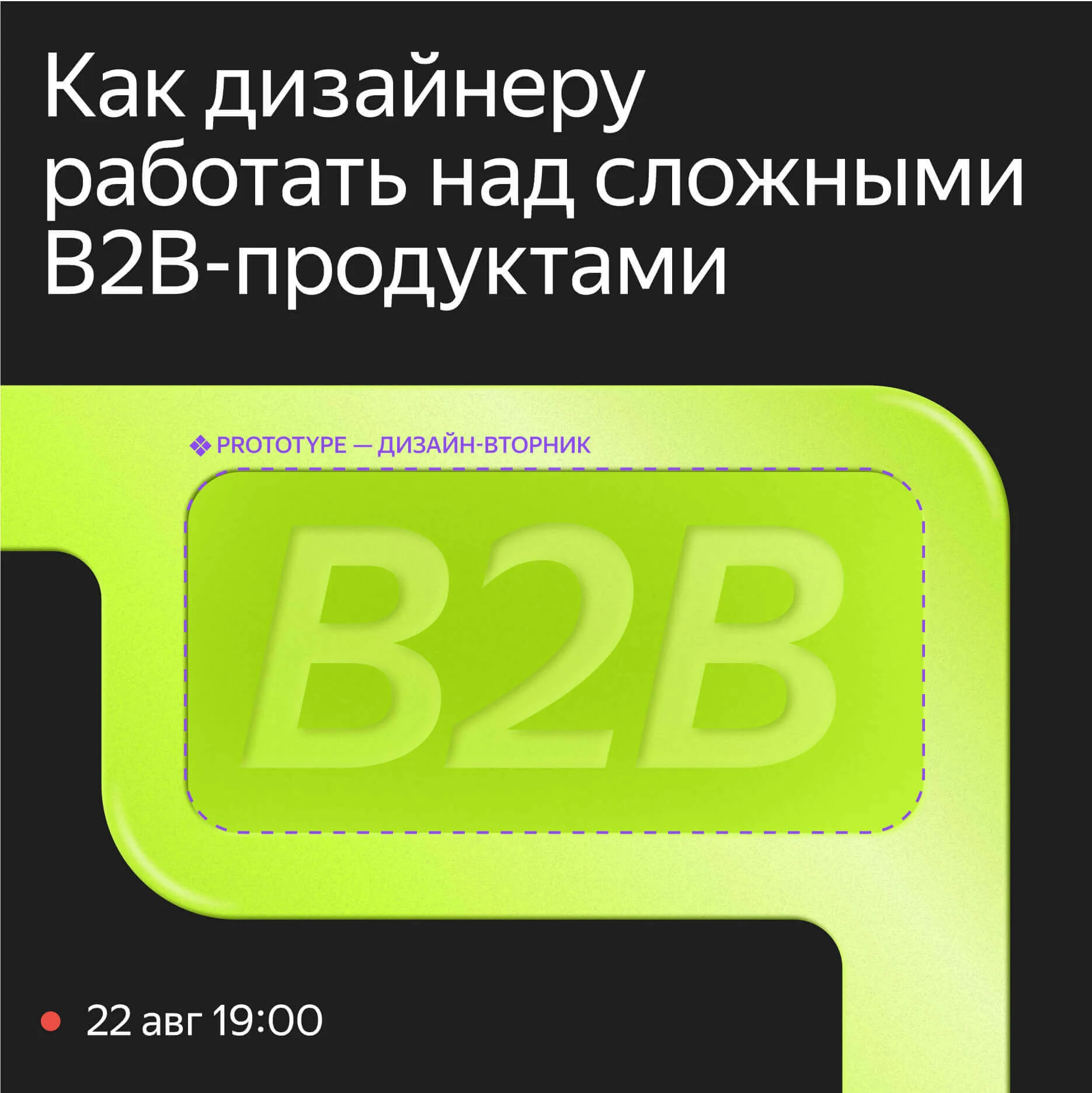
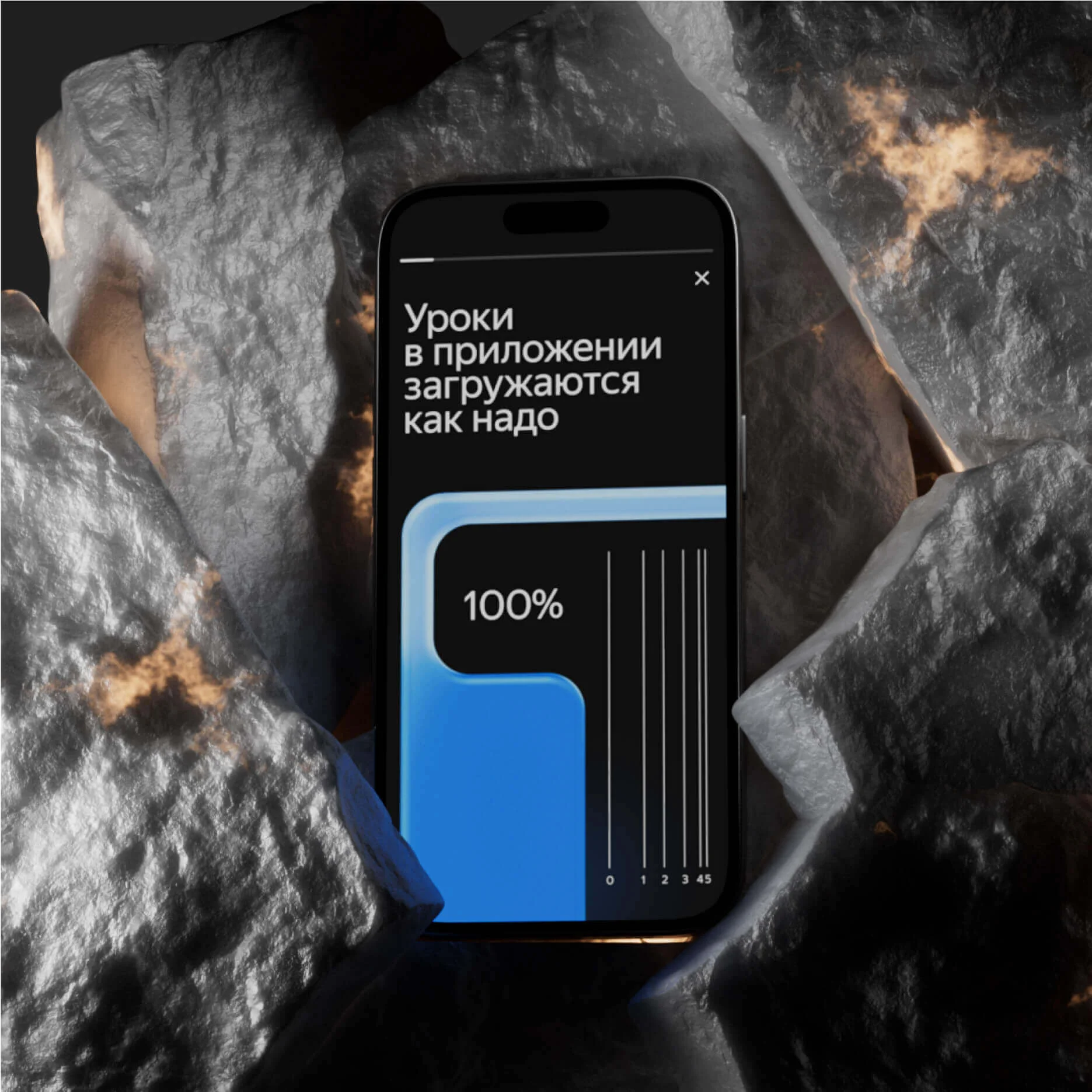
We designed the system to adapt basic shapes to various stylistic requirements. These forms can adopt different materials and textures, allowing contextual design of pages and interface elements.
This approach is particularly valuable for Yandex Praktikum, which offers courses across diverse educational domains. The material variability creates visual associations with specific courses, while the broad color palette provides flexibility without compromising brand identity.
This puzzle-based graphic system serves an important organizational function. Unlike other educational projects whose style often appears chaotic and purely entertaining, our approach emphasizes structure—arranging elements systematically to create a clear, comprehensible knowledge framework
Functional graphics
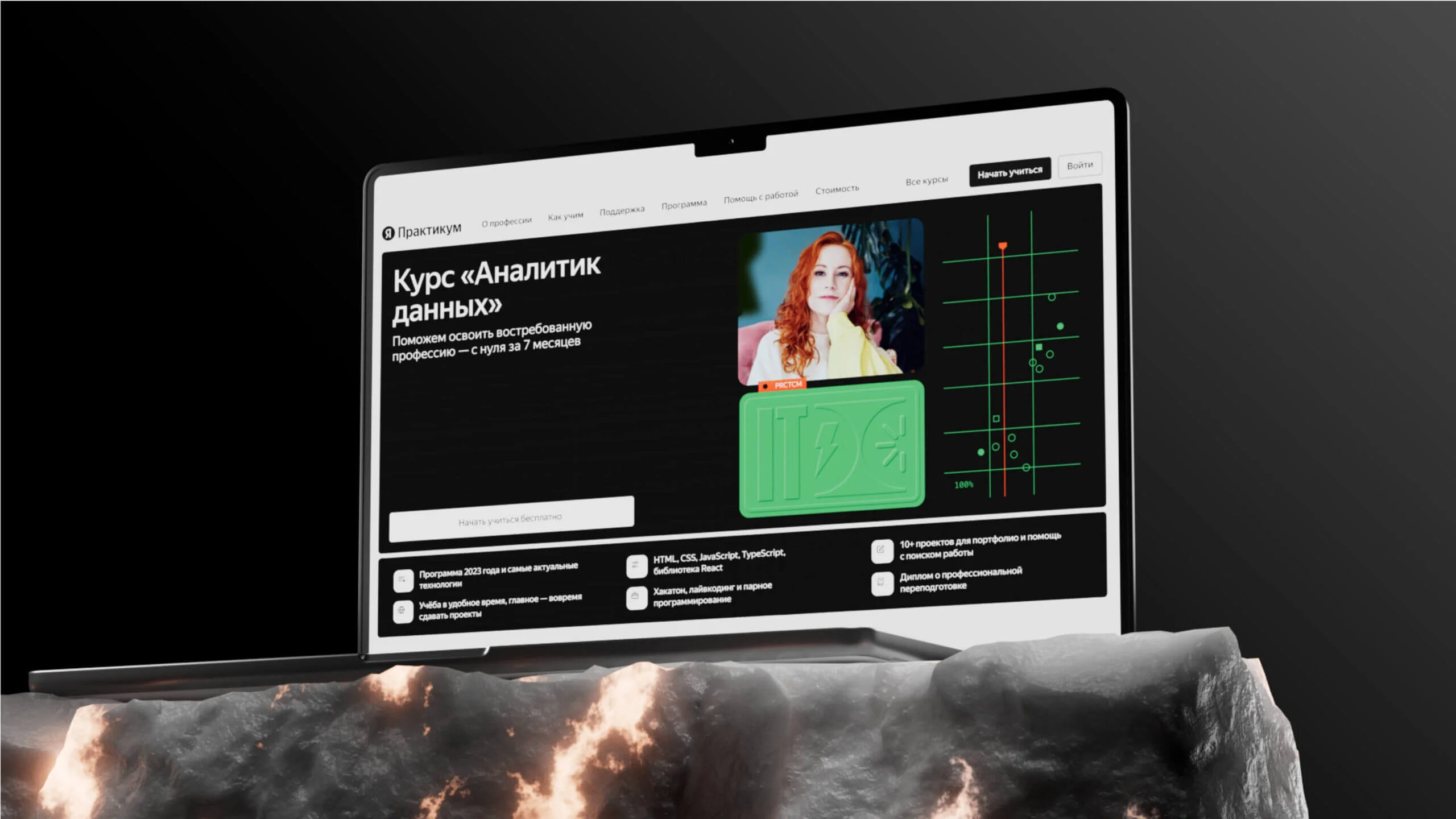
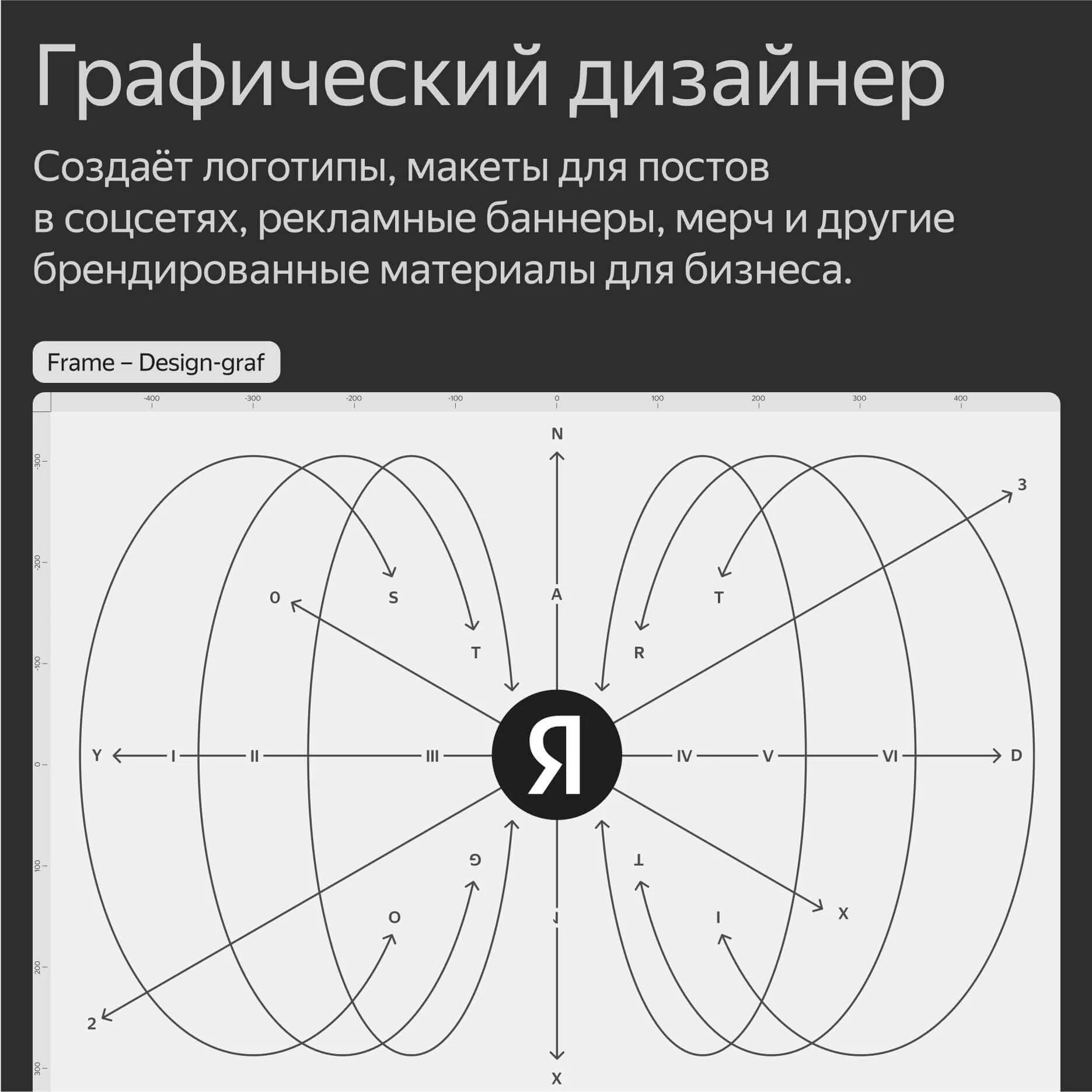
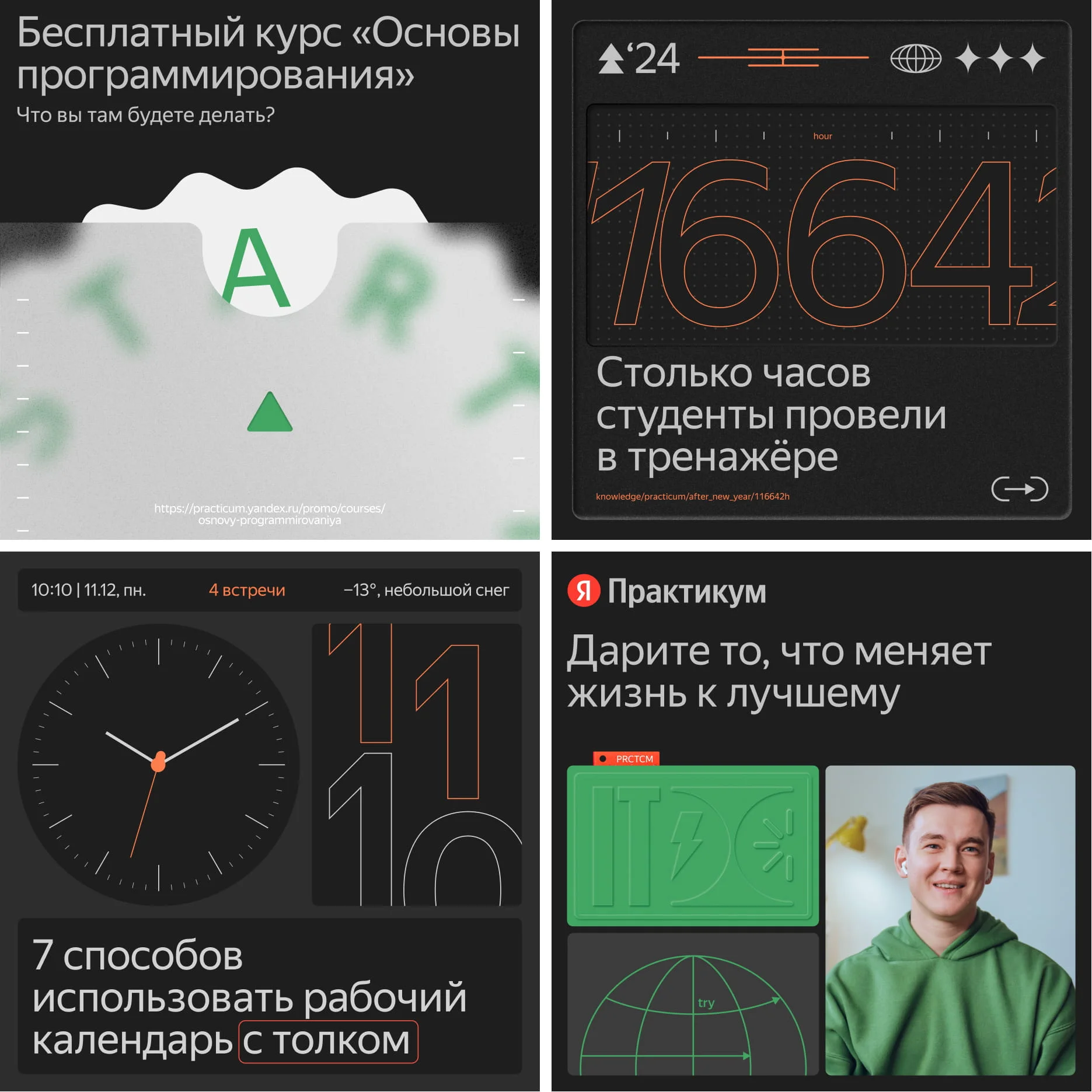
Complementing the colored textured elements, we incorporated monochrome graphics that reference engineering drawings, educational diagrams, and program interfaces that students encounter during their studies.
These elements fulfill dual purposes: creating a distinctive style that differentiates Yandex Praktikum from competitors while adding meaningful semantic layers. For instance, users working with graphic editors might recognize familiar interface elements, connecting the course's visual style with actual work processes.
From a digital to a physical world
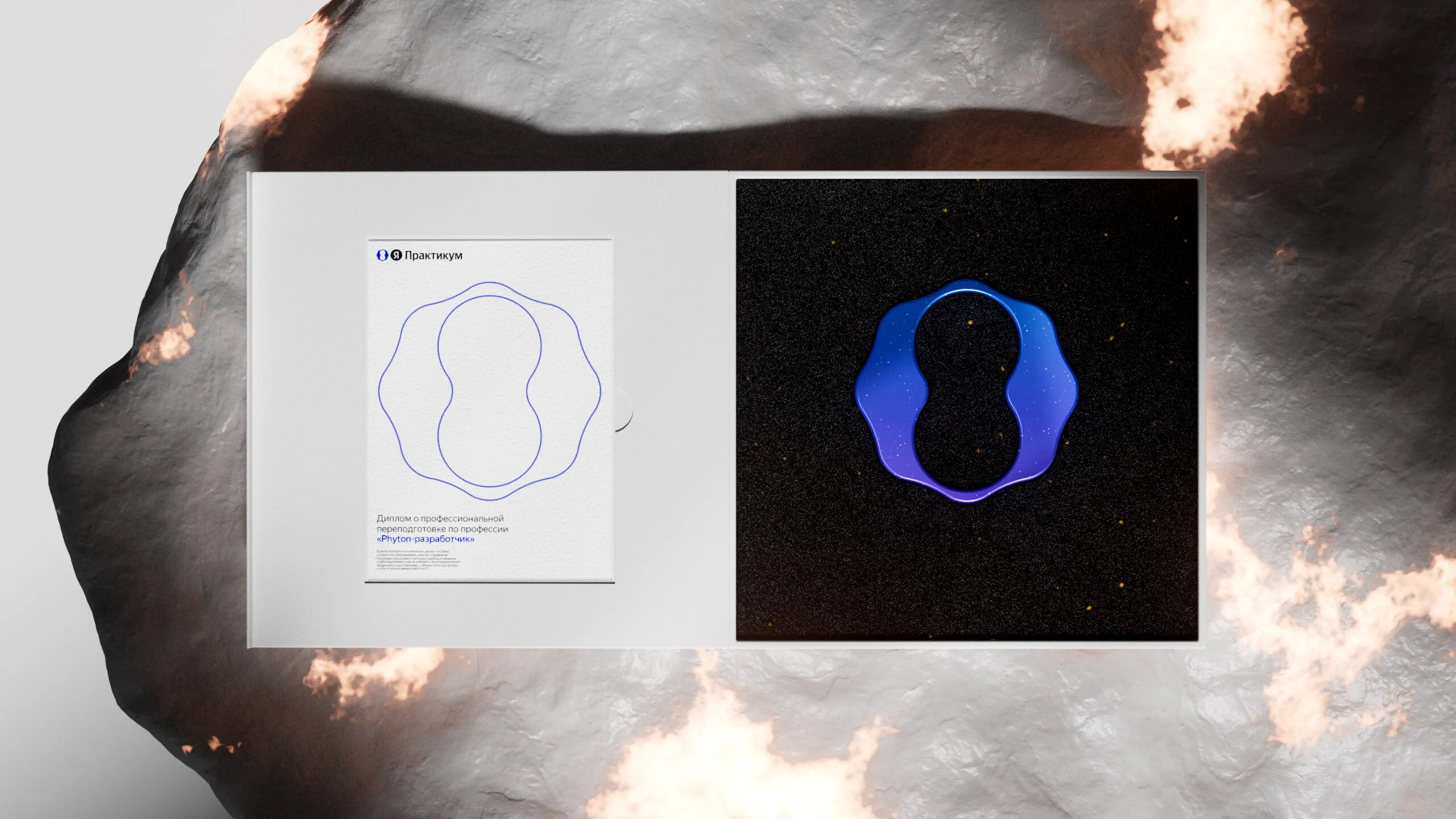
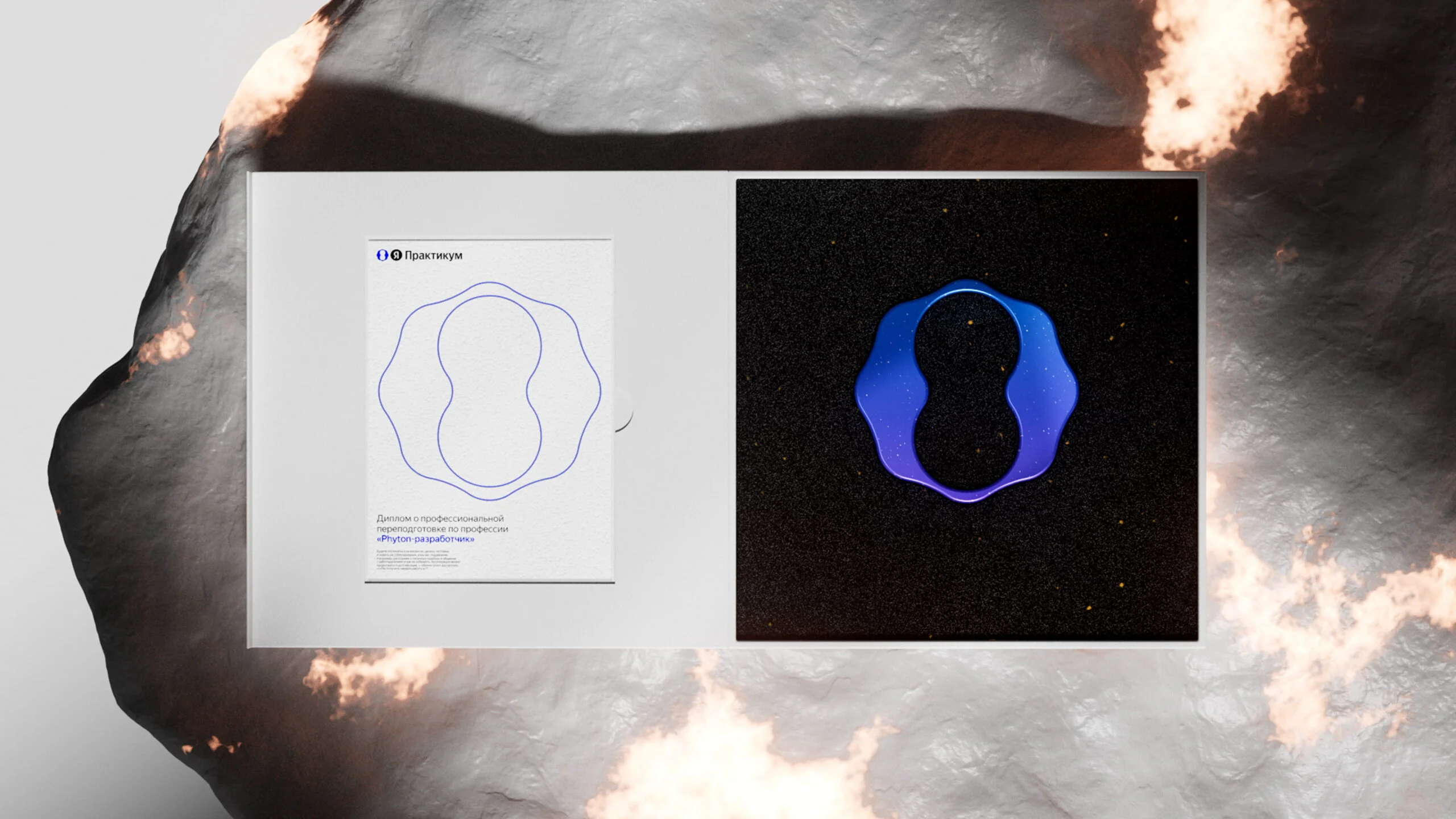
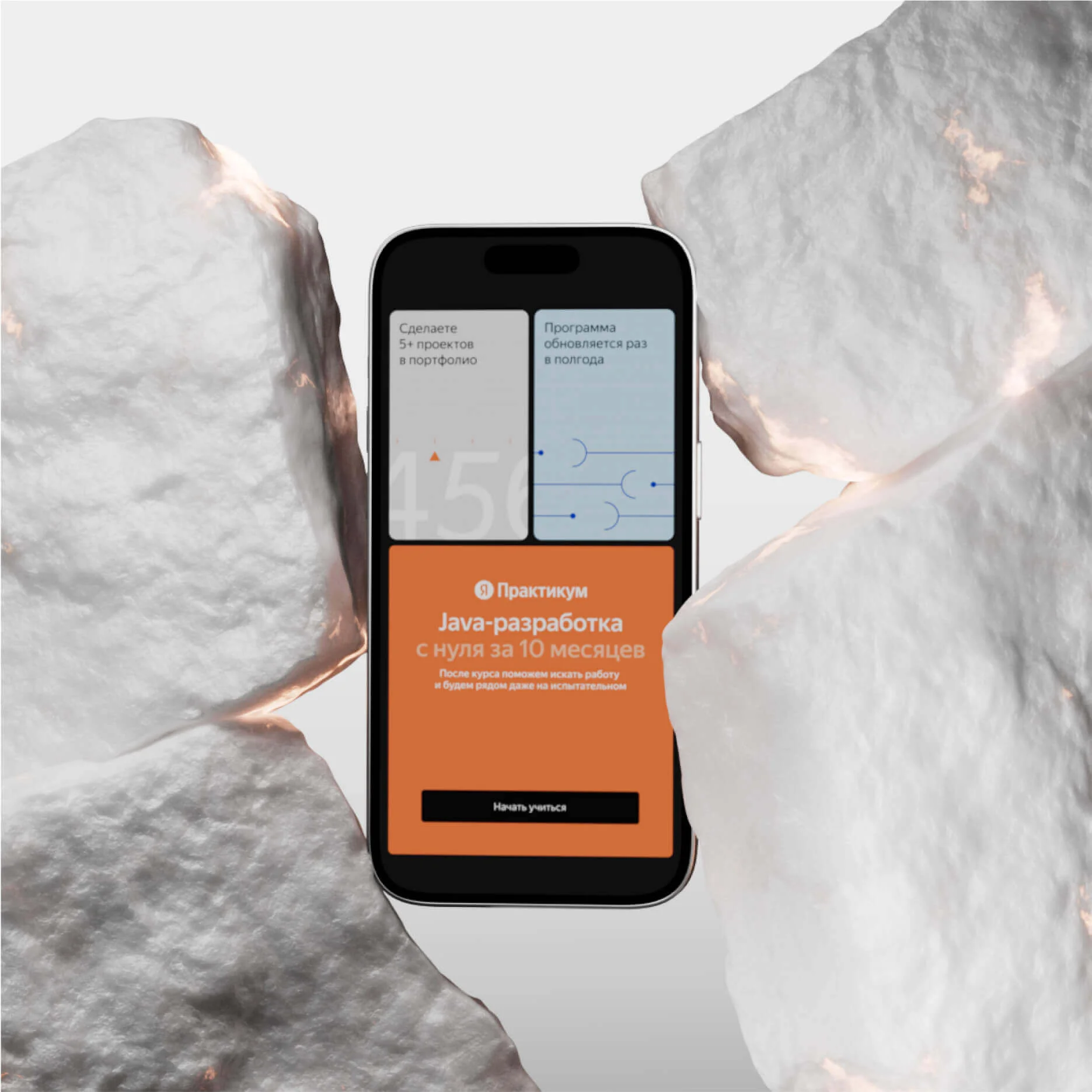
We proposed extending the project by incorporating material artifacts into the design system. Graduates could receive physical puzzle pieces with their diplomas—tangible symbols of acquired knowledge. These pieces could connect with others, forming personal collections of competencies. This approach transfers the education metaphor from digital to physical space, making the learning journey more tangible.